


Lifecycle Marketing Strategy for Eco Chic
Submitted By – Charlene Mahony
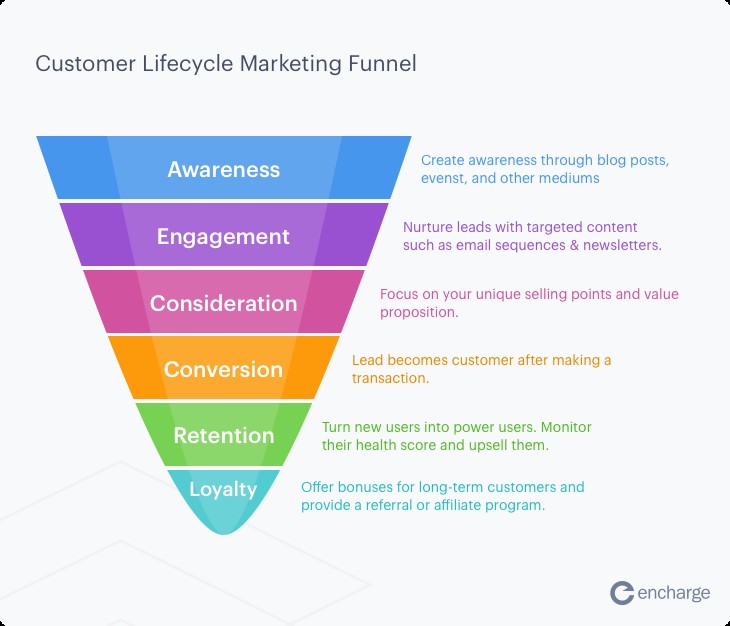
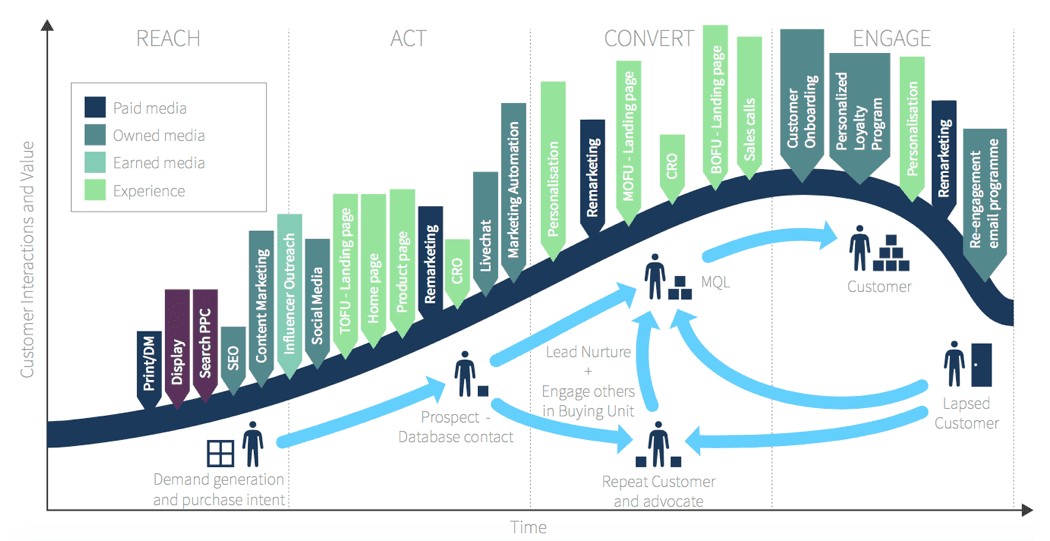
As a digital marketing specialist for Eco Chic, the goal of a lifecycle marketing strategy is to guide customers through each stage of their journey while staying true to the brand’s focus on sustainability. By understanding the customer journey and using data to create meaningful, personalized campaigns, Eco Chic can raise awareness, drive sales, and build long-term loyalty with environmentally conscious consumers aged 25 to 45.
Awareness
At the awareness stage, the focus is on introducing Eco Chic to potential customers and clearly communicating with the brand’s eco-friendly mission. This can be done through social media content, influencer partnerships, educational posts about sustainable fashion, and storytelling that highlights Eco Chic’s values. At this stage, collecting basic customer data such as demographics, location, and engagement metrics (likes, follows, website visits) is important. This data helps show who is responding to the brand message and which platforms are most effective for reaching eco-conscious shoppers.
Consideration
During the consideration stage, customers are aware of Eco Chic but have not yet made a purchase. The goal here is to build trust and interest. Messaging should focus on the benefits of the products, such as ethical sourcing, quality materials, and environmental impact. Campaigns could include email newsletters, product highlights, sustainability facts, and customer testimonials. Data collection becomes more detailed at this stage, including email engagement, website behavior, and product page views. Segmenting audiences based on interests or browsing behavior allows Eco Chic to deliver more relevant messaging and move customers closer to buying.
Purchase
At the purchase stage, customers are close to buying, so the messaging should encourage them to complete their purchase. This could include limited-time offers, free shipping, clear calls-to-action, or reminders about items left in their cart. Personalization plays a key role here, such as recommending products based on past engagement or highlighting items the customer has already shown interest in. Testing different subject lines, offers, or layouts can help Eco Chic decide what messaging leads to the highest conversion rates.
Retention
After a customer makes a purchase, retention becomes a priority. Follow-up messaging such as thank-you emails, order confirmations with brand storytelling, and tips on how to care for eco-friendly clothing can help strengthen the relationship. Loyalty programs, exclusive discounts, or first access to new collections can also encourage repeat purchases. Customer data such as buy history, frequency, and product preferences, personalized follow-up messages that feel relevant and thoughtful rather than generic.
Advocacy
At the advocacy stage, satisfied customers can become brand ambassadors. Eco Chic can encourage referrals and social sharing by offering incentives like referral discounts, rewards for sharing on social media, or featuring customer stories on the brand’s platforms. Email and social campaigns can invite customers to leave reviews or share their Eco Chic experience. Testing different incentives and tracking metrics such as referral rates, social shares, and user-generated content will help Eco Chic measure effectiveness and continuously optimize these campaigns.
Overall, a lifecycle marketing strategy allows Eco Chic to build meaningful, long-term relationships with customers by delivering the right message at the right time. By using customer data thoughtfully and continuously testing and improving campaigns, Eco Chic can grow brand awareness, increase sales, and stay aligned with its sustainability mission.